
Blog
Space Optimization: Why Commercial Stainless Steel Tables Are the Backbone of Kitchen Efficiency

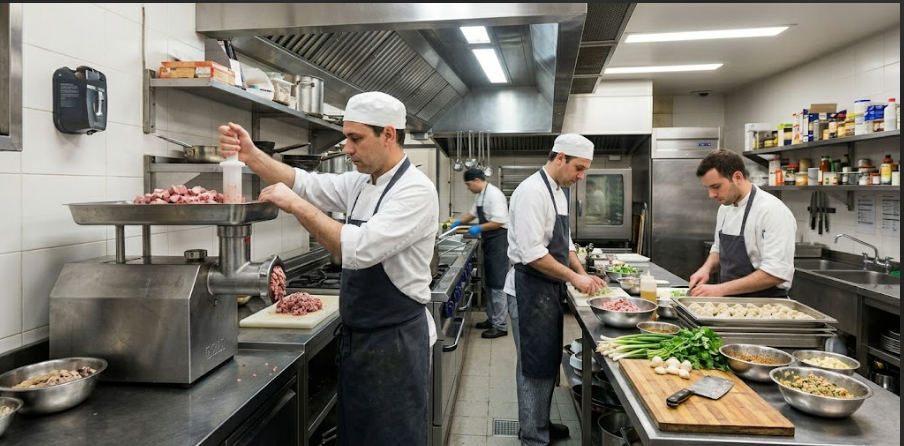
When designing or upgrading a commercial kitchen, it’s easy to get caught up in the big-ticket items. We obsess over the BTU output of the ranges, the capacity of the walk-ins, and the speed of the dishwashers. But there is an unsung hero that physically connects every single station in your house: the stainless steel prep table.
A kitchen’s workflow is only as fluid as its preparation surfaces. Cheap, unsteady, or improperly sized tables don’t just slow down your line cooks; they present serious health, safety, and cross-contamination risks.
If you are looking to optimize your back-of-house layout for maximum speed and strict hygiene compliance, here is why upgrading to true commercial-grade stainless steel tables is non-negotiable.
1. The Anatomy of Commercial Grade: Grade 304 vs. Grade 430
Not all stainless steel is created equal. If you’ve ever noticed a budget table pitting, rusting, or bowing under heavy equipment, it’s likely because the wrong grade of steel was used for the job.
When selecting tables for your line, understanding the distinction between the two primary commercial grades is crucial:
+------------------------+-----------------------------------+-----------------------------------+
| Feature                | Grade 304 Stainless Steel         | Grade 430 Stainless Steel         |
+------------------------+-----------------------------------+-----------------------------------+
| Composition            | High Chromium & Nickel content    | High Chromium, No Nickel          |
| Corrosion Resistance   | Maximum (Resists acids & salts)   | Moderate (Best for dry areas)     |
| Best Used For          | Raw prep, butchery, wet stations  | Equipment stands, dry storage     |
| Durability             | Exceptionally high                | High, but prone to surface rust   |
+------------------------+-----------------------------------+-----------------------------------+
Pro-Tip: Always opt for Grade 304 for high-moisture prep zones where raw meat, citrus fruits, or heavy salt usage will occur. Reserve Grade 430 for equipment stands holding mixers, blenders, or dry storage bins to save on costs without sacrificing structural integrity.
2. Breaking Down the Gridlock: Layouts That Cut Ticket Times
A poorly placed table forces your staff to take extra steps, cross paths awkwardly, and bump into one another during a rush. To keep the kitchen moving in one cohesive direction, choose tables that facilitate specific layout strategies:
The Island Prep Hub
Placing a wide, double-sided stainless steel table in the center of the room allows prep cooks to work opposite each other. Look for models with adjustable undershelves so that frequently used mixing bowls, gastrornd pans, and scale units are accessible within arm’s reach, keeping the top surface completely clear for active work.
Wall Stations with High Backsplashes
Every time a staff member chops, blends, or tenderizes meat against a perimeter wall, food debris can slip behind the table. Choosing tables with an integrated 100mm to 150mm rear backsplash protects your drywall, prevents bacteria traps, and makes nightly washdowns substantially faster.
3. Mobility vs. Stability: The Power of Caster Wheels
Should your prep tables be bolted to the floor, or should they roll? The modern, agile kitchen heavily favors flexibility.
- Effortless Deep Cleaning: Kitchens accumulate grease and debris in hard-to-reach places. Heavy-duty locking casters allow your team to easily roll tables out of the way at the end of the night to properly spray down floors and walls.
- Adaptable Service Setups: Catering operations or kitchens with rotating seasonal menus benefit from shifting layouts. A mobile table can transition from a morning pastry prep station to an evening plating line in under two minutes.
- The Safety Factor: High-quality commercial casters feature robust foot brakes. When locked, the table remains entirely rigid, eliminating the dangerous rocking associated with domestic utility carts.
Ready to Re-Engineer Your Kitchen Workflow?
Your prep tables are the literal foundation of your menu execution. Upgrading to heavy-duty, commercial-grade stainless steel surfaces ensures your kitchen remains sanitary, organized, and structurally equipped to handle the physical demands of high-volume cooking.
Check out our full range of heavy-duty stainless steel prep tables, equipment stands, and mobility kits to optimize your workspace today.